


 English

Why Your Lower Back Aches During Your Period
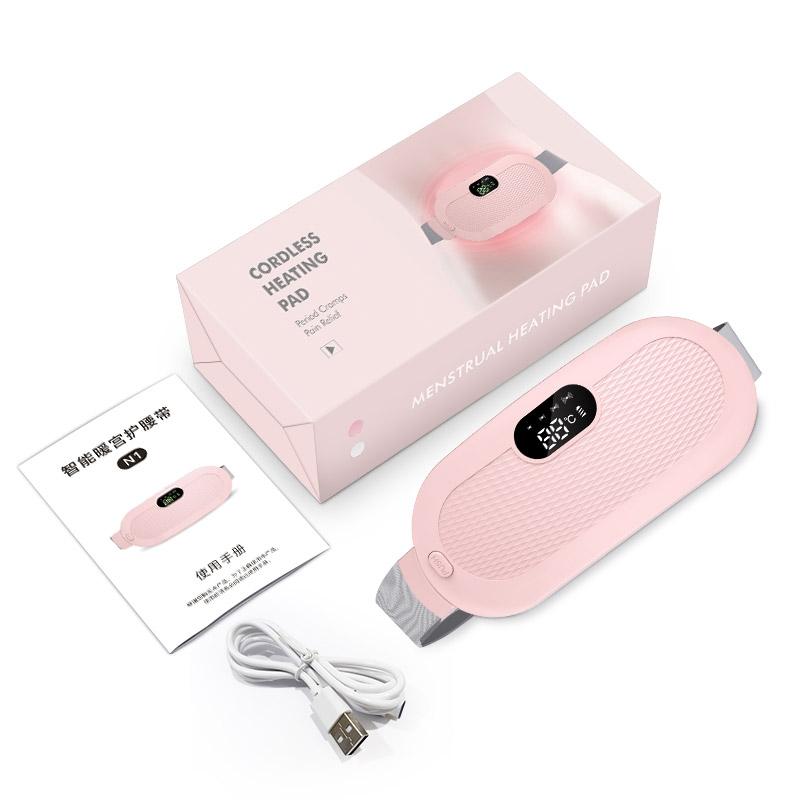
A wrap-around heating pad can be turned to sit across the lower back as well as the abdomen.
Lower back pain is one of the most common period symptoms, and it is not a separate problem from the cramps — it is the same thing felt from the other side. The uterus and the lower back share nerve pathways and a dense web of connective tissue, so when the uterus contracts during a period the ache is often felt as much in the lumbar area as in the abdomen. That is why so many people reach for a heating pad for period back pain even when their cramps are mild. For most people the lower back pain during period is dull and constant rather than sharp, building over the first day or two, and steady heat is one of the most reliable forms of period back pain relief at home.
This guide covers why the back aches, how heat helps, where to place a pad so it actually reaches the right spot, and what to look for if you are buying for yourself or sourcing for a brand.
How a Heating Pad for Period Back Pain Helps
Heat relieves back pain during a period in the same way it relieves cramps. It relaxes the muscle that is in spasm and widens the blood vessels around it, so the tissue gets the oxygen it has been missing and the tight, dragging feeling eases. Because the referred ache in the lower back comes from the same muscle activity, warming the area quietens the pain from both directions at once.
Research on menstrual pain supports steady, low-level heat as a genuine pain reducer rather than a placebo — heat applied at around 40°C to the lower abdomen has been shown to lower period pain to a similar degree as a standard dose of ibuprofen, and combining heat with a painkiller works better than either alone. The key word is steady: a pad that holds an even temperature for an hour does more than one that spikes hot for ten minutes.
Heat is a comfort measure, not a treatment. If the pain is severe, lasts well beyond your period, or comes with numbness, tingling or weakness in the legs, that points to something other than ordinary period pain and should be checked by a doctor.
Abdomen or Lower Back? Where to Place the Heat
The honest answer is that it depends on where the pain is loudest, and for many people it moves. If the ache is mostly in the abdomen, wear the pad low across the front. If it has settled into the lower back, turn the pad around and wear it across the lumbar area — roughly the width of your hand above the base of the spine.
This is why a heating pad for menstrual back pain should be a wrap-around design with a belt long enough to cross the back comfortably. A pad that only covers the front will leave you holding it in place or folding it awkwardly when the pain shifts behind you. A wearable, strap-on pad lets you move the heat to wherever it is needed without stopping what you are doing — and a wrap around heating pad that spans the waist is the simplest way to cover both the abdomen and the back, so the same heat pad for back pain works whichever side is aching.
Choosing a Heating Pad That Reaches Your Back
Because period back pain tends to run for hours, the details that matter are the ones that keep heat on and in the right place. Some people come across the term heating pad menstrual pain and wonder whether it means a different product from a normal heating pad — it does not. It is the same device, and what decides whether it helps is how well it fits and holds its temperature.
Belt Length and Wrap
The belt has to be long enough to sit across the lower back without digging in, and elastic enough to hold the pad flat against the body when you sit, stand or lie down. A wrap-around heating pad that spans the waist is more versatile than a short strap, because it works at the front and the back.
Shape and Flexibility
A curved surface that follows the body keeps contact with the skin, which is what makes the heat feel effective. A rigid, flat pad leaves gaps at the edges and has to be pressed into place. A wide, flexible heating pad for back pain covers the lumbar band rather than a single spot.
Heat and Vibration Settings
Look for several temperature steps — a range of roughly 40–60°C — so you can run a low, sustained setting and only step up when the pain flares. Gentle vibration massage is a common addition that many users find helps the warmth feel deeper, and an auto shut-off timer is important if you might doze off with the pad on.
Heating Pad vs Heat Patch for Back Pain
| Option | Reusable? | Adjustable? | Best for |
|---|---|---|---|
| Cordless wrap-around heating pad | Yes | Yes | Home, work and sleep during a period |
| Plug-in electric pad | Yes | Yes | Lying down at home |
| Disposable heat patch | No | No | Discreet use away from home |
A heat patch is thin enough to wear under clothing and needs no charging, which makes it handy for a commute or a workday. But it cannot be re-positioned from front to back, it gives one fixed temperature, and it is thrown away after a single use — so for the long, shifting ache of period back pain, a reusable wrap-around pad does more.
Using Heat Safely on the Lower Back
The lower back has less padding than the abdomen in some people, so it is worth being careful. Keep the pad on a low or mid setting and let it warm gradually rather than going straight to the top setting. Never lie directly on a plug-in pad, and never sleep on a high setting. If you have reduced skin sensation, diabetes or a skin condition, check with a doctor before using heat. Stop if the skin stays red after the pad is removed — that is a burn warning, not a sign the treatment is working.
When Back Pain Needs a Doctor
Period back pain is usually harmless and settles with heat and rest. See a doctor if the pain is severe enough to disrupt work or sleep every month, if it lasts well beyond your period, if it comes with numbness, tingling or weakness in the legs, or if you have fever, heavy bleeding or pain when urinating. Persistent lower back pain can have causes unrelated to your cycle, and those are worth ruling out.
Sourcing a Period Back Pain Heating Pad for Your Brand
For brands and retailers, a period back pain heating pad is essentially a wearable heat belt, and the specification is where the value sits. The parts worth agreeing on are the heating element (graphene or PI film for even heat), the temperature controller and its number of steps, whether vibration massage is included, the battery capacity and charge time, the strap length and shape, and the colour and retail packaging.
A wrap-around belt with adjustable heat and a reliable auto shut-off is the format most buyers ask for, because it covers both the abdomen and the lower back. Certification for the target market, private-label branding, and a clear lead time are the other things to settle early. If you would like the current specification or a custom build, you can send us your requirements.
Frequently Asked Questions
Where should I put a heating pad for period back pain?
Across the lower back, about a hand's width above the base of the spine. If the pain is also in the abdomen, a wrap-around pad lets you cover both without buying two devices.
How long should I use heat on my back?
In blocks of 20–30 minutes on a low or mid setting, repeated as needed, with a break between sessions so the skin can recover.
Is a heating pad better than a heat patch for back pain?
For the lower back, a reusable wrap-around pad is usually better because it can be moved from the front to the back, its temperature can be adjusted, and it does not need to be repurchased every month. A patch is more convenient when you need something discreet and hands-free away from home.
Does a wireless heating pad stay warm long enough?
A rechargeable pad with a 1,800–2,000 mAh battery typically runs for two to four hours on a mid setting, which covers a work afternoon or a night's sleep. USB-C charging keeps the recharge quick.
The Bottom Line
Period back pain is the same ache as cramps, felt from behind, and steady low-level heat is one of the simplest ways to take the edge off. A wrap-around, wearable heating pad that can be turned from the abdomen to the lower back covers both, and it is the format most brands now specify when sourcing. Use it warm rather than hot, take breaks, and see a doctor if the pain is severe or persistent.