


 English

What an Endometriosis Heating Pad Actually Does
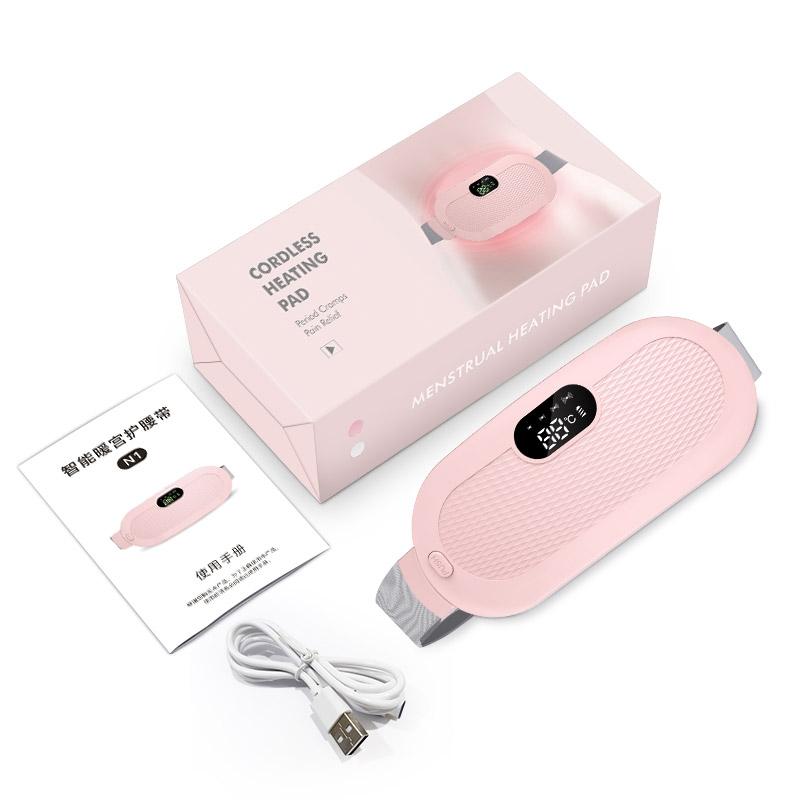
A cordless heating pad worn low across the pelvis, where endometriosis pain is usually felt.
An endometriosis heating pad is a heat source worn against the lower abdomen or pelvis to ease the deep, dragging ache that comes with endometriosis. Endometriosis is a condition in which tissue similar to the uterine lining grows outside the uterus, and the pain it causes often outlasts a normal period — it can run for days, flare around ovulation, and spread across the pelvis and into the lower back. Steady, low-level heat is one of the few things that reliably takes the edge off at home, which is why a heat pad for pelvic pain has become a routine part of living with the condition rather than a one-off comfort.
This guide explains why heat helps, where to place it, what to look for in a heating pad for pelvic pain, and how to use one safely — whether you are buying for yourself or sourcing an endometriosis heating pad for a brand.
Why Heat Helps Endometriosis and Pelvic Pain
Heat works on pain in two ways that matter here. It relaxes the smooth muscle of the uterus so it contracts less forcefully, and it widens the blood vessels in the surrounding tissue so more oxygen reaches the muscle that has been starved of it. For ordinary period cramps that is enough to settle the ache within a few minutes. For pelvic pain driven by endometriosis, heat does not treat the lesions themselves, but it does quiet the muscle spasm and the referred ache they trigger, which is often the part that keeps you awake.
That is why heat is treated as a first-line comfort measure rather than a gimmick, and why period pain relief at home so often starts with a warm pad. Clinical work on menstrual pain has found that continuous heat at around 40°C applied to the lower abdomen can reduce pain to a similar degree as a standard dose of ibuprofen, and that using both together works better than either alone. The same principle applies to heating pad for dysmenorrhea use, where the goal is not a high temperature but a steady one that stays comfortable for as long as the pain lasts.
It is worth saying plainly: heat is a symptom tool, not a treatment for endometriosis itself. If pain is not controlled by heat and painkillers, or if it is getting worse cycle after cycle, that is a conversation for a doctor rather than a product decision.
Where the Pain Sits — and Where to Place the Heat
Endometriosis pain is rarely in one tidy spot. Most people describe it low in the abdomen, deep in the pelvis, and often across the lower back at the same time. A heating pad for pelvic pain works best when it covers that whole band rather than a single point, so a wide, flexible surface beats a small rigid one.
In practice this means the pad should sit low and flat across the pelvis, below the navel and above the pubic bone, following the curve of the body. If the ache has moved into the back, the same pad can be turned around and worn across the lumbar area — which is exactly why a wrap-around design with a long enough belt is more useful than a pad you have to hold in place.
That one placement covers the cluster of symptoms that tends to travel together. A heating pad for stomach cramps sits in the same low, wide band, and a heat pad for period cramps or a heating pad for menstrual pain is worn in exactly the same spot. Because the surface is wide, a single device can deliver pelvic pain relief across the whole area rather than chasing one point at a time.
What to Look For in a Heating Pad for Pelvic Pain
Because endometriosis pain tends to last for hours rather than minutes, the features that matter are the ones that let you keep heat on without thinking about it.
A Heat Range You Can Fine-Tune
Look for several discrete temperature steps rather than one on/off setting. A range of roughly 40–60°C lets you run a low, sustained setting for long stretches and only step up when the pain flares. Graphene or PI film heating elements are common in this category because they spread heat evenly instead of leaving a hot spot in the middle.
Shape and Coverage
A curved, abdominal heating pad that follows the body will keep contact when you shift position; a flat rectangular pad will not. Width matters too — a surface wide enough to span the pelvis means you are not chasing the pain around as it moves.
Battery Life and Wearability
If you want to work, travel or sleep with heat on, a rechargeable battery and a soft strap are essential. A 1,800–2,000 mAh cell typically gives two to four hours on a mid setting, and USB-C charging keeps it simple. A pad that has to stay plugged in ties you to one spot, which is the opposite of what a long endometriosis flare needs.
Safety Features
An auto shut-off timer and overheat protection are not optional extras when you may fall asleep with the pad on. Gentle vibration massage is a common bonus that many users find helps the heat feel deeper, though it is a comfort feature rather than a clinical one.
Endometriosis Heating Pad vs Other Heat Options
| Option | Stays hot for | Adjustable? | Best for |
|---|---|---|---|
| Cordless heating pad | 2–4 hours per charge | Yes | Long flares, work, sleep, travel |
| Plug-in electric pad | Unlimited (mains) | Yes | Lying down at home |
| Disposable heat patch | Up to 8 hours, single use | No | Discreet daytime use, on the move |
| Hot water bottle | 30–60 minutes | No | Short bursts at home |
For endometriosis specifically, the long duration of the pain pushes most people toward a cordless, wearable pad. A disposable heat patch is useful for getting through a workday without anyone noticing, while a plug-in pad is fine for an evening on the sofa but not for sleep with the pain still running.
How to Use Heat Safely for Pelvic Pain
Heat is safe for most people when it is used sensibly, but a few rules prevent the burn that sends people to a clinic:
Keep the pad on a low or mid setting and let it work gradually — a higher temperature does not relieve pain faster, it just raises the risk of a burn. Never lie directly on a plug-in pad, and never fall asleep on the highest setting. If you have reduced skin sensation, diabetes or a skin condition, check with a doctor first. And stop if the skin turns red and stays red; that is a warning, not a sign it is working.
When Heat Is Not Enough
A heating pad for pelvic pain manages symptoms; it does not change the underlying condition. See a doctor if the pain is not controlled by heat and over-the-counter painkillers, if it is getting steadily worse, if it interferes with work or sleep most months, or if you have heavy bleeding, pain during sex, or pain when going to the toilet. Severe period pain is not something to simply put up with, and conditions such as endometriosis, adenomyosis and fibroids are all treatable once identified.
Sourcing an Endometriosis Heating Pad for Your Brand
If you are a brand or retailer looking to add a pelvic pain heating pad to your range, the same features that matter to users are the ones worth specifying. A typical OEM program for this product covers the heating element (graphene or PI film), a multi-step temperature controller, vibration massage, battery capacity, the strap length and shape, and the colour and packaging.
A flexible, curved belt with adjustable heat and a reliable auto shut-off is the format most buyers now ask for, because it suits both period cramps and longer-term pelvic pain. Certification for the destination market, the ability to run private-label branding and packaging, and a clear lead time are the other things to settle before you place an order. If you would like to see the current specification or discuss a custom build, you can send us your requirements.
Frequently Asked Questions
Is heat good for endometriosis?
Yes, as a comfort measure. Heat relaxes muscle spasm and improves blood flow, which eases the ache that endometriosis causes. It does not treat the lesions themselves, so it is best used alongside medical care rather than instead of it.
Where do you put a heating pad for pelvic pain?
Low and flat across the pelvis, below the navel and above the pubic bone. If the ache has moved into the lower back, turn the pad around and wear it across the lumbar area instead.
How long should you use a heating pad for endometriosis?
Use it for as long as it helps, in blocks of 20–30 minutes, on a low or mid setting. Take a break between sessions so the skin can recover, and never sleep on the highest setting.
Does a heating pad help dysmenorrhea?
Yes. Continuous low-level heat on the lower abdomen is a well-documented way to reduce period pain, and it works even better when combined with an anti-inflammatory painkiller.
Can heat help ovulation pain?
Short sessions of mild heat on the side that aches are often enough for heating pad for ovulation pain, and there is no benefit to using a high temperature or leaving it on continuously.
The Bottom Line
An endometriosis heating pad will not cure endometriosis, but a good one makes the pain far more bearable. Choose a wide, curved pad with adjustable heat, a battery that lasts a full flare, and a proper auto shut-off, and keep it low and steady rather than hot and fast. Heat is a comfort tool — if the pain keeps getting worse, that is a signal to see a doctor, not to buy a stronger pad.