


 English

Introduction: Why Brushless Motors Are Becoming More Popular
With the rapid development of automation equipment, intelligent devices, and electric applications, brushless motors have become one of the most important motion solutions in modern industries.
Compared with traditional brushed motors, brushless motors eliminate mechanical brushes and commutators, using electronic control systems to achieve smoother rotation, higher efficiency, and longer service life.
Today, brushless motors are widely used in industrial equipment, robotics, medical devices, cooling systems, drones, and remote-controlled vehicles. Different applications require different motor sizes, voltages, and control methods, such as Micro Brushless Motor, 24v Brushless Dc Motor, and high-performance RC brushless motor systems.
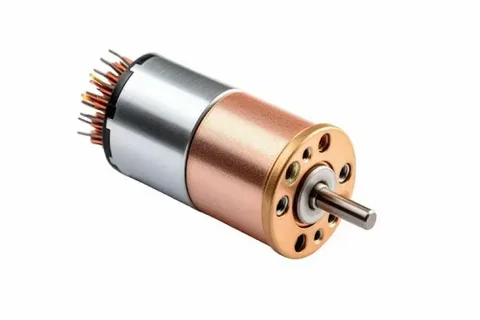
What Is a Brushless Motor?
A brushless motor is an electronically controlled motor that uses permanent magnets and electronic commutation technology instead of physical brushes.
The basic working principle is:
The controller supplies current to the motor windings.
The magnetic field generated by the stator interacts with the permanent magnet rotor.
The rotor rotates continuously to produce mechanical power.
Sensors or electronic algorithms control speed and torque.
Because there is no brush friction, brushless motors provide:
Higher efficiency
Lower maintenance requirements
Reduced operating noise
Longer operating life
Better speed control
These advantages make brushless motors suitable for applications requiring stable performance and continuous operation.
Understanding RC Brushless Motor and ESC Systems
For remote-controlled vehicles, the combination of rc brushless motor and esc is essential.
An ESC (Electronic Speed Controller) controls the speed, direction, and power output of the brushless motor. It converts battery power into controlled electrical signals that drive the motor.
A typical RC system includes:
Brushless motor
ESC controller
Battery pack
Receiver and transmitter
Mechanical drivetrain
The advantages of using a brushless motor system in RC applications include:
Higher Speed Performance
A brushless motor provides higher RPM compared with many brushed motors, making it ideal for racing cars, boats, and aircraft.
Better Energy Efficiency
Less energy is lost through friction, allowing RC vehicles to achieve longer operating time.
Improved Durability
Since there are no brushes to wear out, maintenance requirements are reduced.
For enthusiasts searching for a reliable brushless motor rc car solution, choosing the correct motor KV rating, voltage, and ESC compatibility is critical.
Micro Brushless Motor for Compact Applications
As electronic devices become smaller, the demand for compact motor solutions continues to increase.
A micro brushless motor is designed for applications where installation space is limited but precise movement and high efficiency are required.
Common applications include:
Miniature robots
Camera equipment
Medical instruments
Small pumps
Cooling fans
Precision automation devices
Although the size is small, micro brushless motors can provide excellent speed control and stable operation.
For manufacturers developing compact products, selecting a suitable miniature brushless motor can significantly improve product performance and reliability.
24V Brushless Dc Motor for Industrial Equipment
A 24v brushless dc motor is one of the most common solutions used in automation and industrial systems.
24V systems are popular because they provide a balance between safety, efficiency, and power output.
Typical applications include:
Conveyor systems
Automated machines
AGV robots
Electric actuators
Medical equipment
Smart devices
A 24V brushless DC motor offers:
Stable Speed Control
Electronic controllers can precisely regulate motor speed according to different operating requirements.
High Efficiency
The brushless structure reduces energy loss and improves overall system efficiency.
Low Maintenance
Without carbon brushes, the motor requires fewer replacement parts and provides longer service life.
Stepper Motor vs Brushless Motor: Which One Is Better?
Many engineers compare stepper motor vs brushless when selecting a motion solution.
Both motors have advantages, but they are designed for different applications.
| Feature | Stepper Motor | Brushless Motor |
|---|---|---|
| Control Method | Pulse positioning control | Electronic speed control |
| Speed Range | Medium | High |
| Efficiency | Lower at high speed | Higher efficiency |
| Torque Performance | Excellent at low speed | Excellent across wide speed range |
| Noise | Higher vibration | Lower noise |
| Maintenance | Low | Very low |
Choose Stepper Motor When:
Precise positioning is required
The application operates at low speed
Open-loop control is acceptable
Examples:
3D printers
CNC machines
Positioning systems
Choose Brushless Motor When:
High speed is required
Continuous operation is needed
Energy efficiency is important
Examples:
Automation equipment
Electric tools
Robotics
Cooling systems
The best choice depends on the application's torque, speed, control accuracy, and operating environment.
How to Choose the Right Brushless Motor?
Before selecting a brushless motor, engineers should consider several factors:
1. Voltage Requirement
Common options include:
12V brushless motors
24V brushless DC motors
Higher voltage industrial motors
The voltage should match the power supply and controller.
2. Motor Size
Compact products may require a micro brushless motor, while industrial equipment may need higher-power solutions.
3. Speed and Torque
High-speed applications require suitable RPM ratings, while heavy-load applications require higher torque output.
4. Controller Compatibility
The motor and controller must work together to ensure stable performance.
Why Choose Xiangnai Electromechanical for Brushless Motors?
Xiangnai Electromechanical Official Website specializes in developing and manufacturing brushless motor solutions for different applications.
With professional motor design capabilities and manufacturing experience, Xiangnai provides customized motor solutions including:
Brushless DC motors
Micro motor solutions
Customized voltage motors
Industrial motor applications
OEM/ODM motor services
Whether you need a compact micro brushless motor, a powerful 24v brushless dc motor, or a customized brushless motor solution, Xiangnai can provide reliable products for global customers.
Conclusion
Brushless motors have become an essential technology in modern electrical systems because of their efficiency, durability, and precise control.
From rc brushless motor and esc systems to industrial automation equipment, brushless motor technology continues to expand into new applications.
Understanding the differences between motor types, such as stepper motor vs brushless, helps engineers select the right solution for their projects.
With the right motor design and professional manufacturing support, brushless motors can deliver better performance, longer service life, and improved efficiency for future applications.