


 English

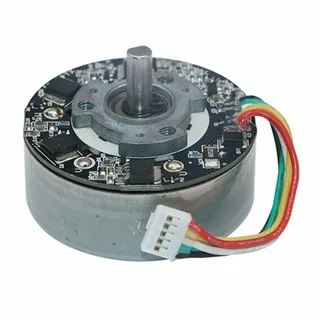
If you've been researching electric motors, you've probably come across the term "Brushless Motor." It's widely used in products such as cordless power tools, lawn mowers, industrial automation equipment, electric vehicles, and household appliances. But what does Brushless Motor mean, and why has it become the preferred technology for so many manufacturers?
The short answer is simple: a brushless motor is an electric motor that operates without carbon brushes, using an electronic controller instead. This design improves efficiency, reduces maintenance, and significantly extends the motor's lifespan.
Let's take a closer look.
Why Were Brushless Motors Developed?
Traditional brushed motors have been used for decades because they are simple and inexpensive. However, they rely on carbon brushes that constantly rub against a rotating commutator.
Over time, this creates several problems:
Brushes wear out and require replacement.
Friction generates heat.
Energy is lost during operation.
Sparks may occur at high speeds.
Maintenance costs increase.
To overcome these limitations, engineers developed the Brushless Dc Motor (Bldc Motor). By replacing mechanical brushes with electronic control, brushless motors deliver smoother, quieter, and more efficient operation.
What Makes a Motor "Brushless"?
The word "brushless" literally means that the motor does not contain carbon brushes.
Instead of transferring electricity through physical contact, a brushless motor uses:
An electronic controller
Stator windings
Permanent magnets
Intelligent commutation technology
The controller continuously energizes different stator coils, creating a rotating magnetic field that drives the rotor. Since there is no physical contact between brushes and the rotor, the motor experiences far less wear and operates with greater efficiency.
What Are the Main Advantages of Brushless Motors?
The popularity of brushless motors comes from the combination of performance and reliability they offer.
Higher Efficiency
Brushless motors waste less energy through friction, allowing more electrical power to be converted into useful mechanical output.
Longer Service Life
Without brushes wearing down, brushless motors can operate reliably for many years with minimal maintenance.
Lower Maintenance Costs
One of the biggest advantages is that there are no brushes to inspect or replace, reducing downtime and service expenses.
Better Speed Control
Electronic controllers allow precise adjustment of motor speed and torque, making brushless motors ideal for applications that require accurate performance.
Reduced Noise
Because there is less mechanical friction, brushless motors run more quietly than brushed motors.
Brushless Motor vs. Brushed Motor
| Feature | Brushless Motor | Brushed Motor |
|---|---|---|
| Carbon Brushes | No | Yes |
| Efficiency | High | Moderate |
| Maintenance | Very Low | Regular |
| Lifespan | Long | Shorter |
| Noise | Low | Higher |
| Heat | Less | More |
| Speed Control | Precise | Basic |
Although brushed motors remain suitable for simple applications, brushless motors have become the preferred solution for products that demand higher performance and reliability.
Where Are Brushless Motors Commonly Used?
Today, brushless motors are found in a wide range of industries.
Common applications include:
Lawn mowers
Leaf blowers
Hedge trimmers
Electric bicycles
Power tools
Industrial robots
Conveyor systems
Water pumps
Medical equipment
Smart home appliances
As battery-powered equipment continues to replace traditional fuel-powered machines, demand for brushless motor technology is expected to grow steadily.
Choosing a Reliable Brushless Motor Supplier
Motor quality directly affects the performance, durability, and efficiency of finished equipment. When selecting a supplier, manufacturers should evaluate factors such as production experience, customization capabilities, quality control, and technical support.
Xiangnai Electromechanical provides high-performance https://www.xiangnaierelectromechanical.com/brushless-motor/ Brushless Motor solutions for industrial automation, outdoor power equipment, home appliances, and electric mobility products. Its motors are designed to deliver stable torque, high efficiency, low noise, and long service life while supporting OEM and ODM customization.
Final Thoughts
So, what does brushless motor mean? It refers to an electric motor that replaces traditional carbon brushes with electronic commutation technology. This seemingly simple design change delivers significant benefits, including higher efficiency, longer lifespan, quieter operation, and lower maintenance.
As industries continue to demand more reliable and energy-efficient equipment, brushless motors are becoming the standard choice across countless applications.