


 English

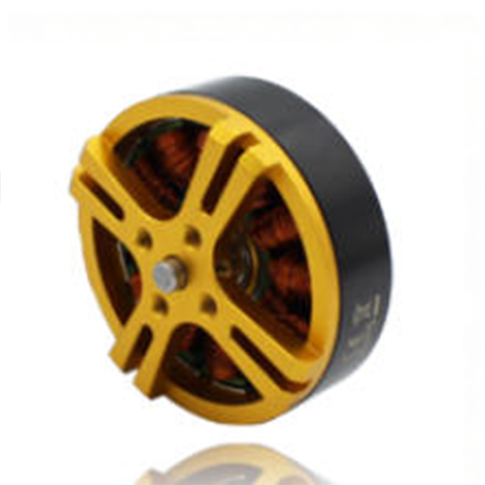
A custom Brushless Motor can be designed to meet specific requirements that standard motors may not fully satisfy. In many applications, factors such as motor size, voltage, speed, torque, shaft configuration, and installation structure need to match the design of the final equipment.
Before developing a custom motor solution, it is important to understand the operating requirements of the application. A well-defined specification can help manufacturers recommend a motor design that better matches the expected performance and installation conditions.
1. What Is the Required Motor Performance?
The first step in designing a custom Brushless Motor is to define the required performance.
Important specifications may include:
Operating voltage
Required speed
Torque requirements
Output power
Operating current
Duty cycle
These specifications are closely related. For example, a higher speed requirement may affect torque performance, while continuous operation may require consideration of heat generation and motor efficiency.
Clearly defining these requirements can help a manufacturer develop a brushless motor that is more suitable for the intended application.
2. How Important Are Motor Size and Installation Space?
Physical dimensions are often one of the main reasons why customers require a custom brushless motor.
In compact equipment, the available installation space may limit the diameter or length of the motor. At the same time, the motor must still provide sufficient speed and torque.
When designing a motor, customers should consider:
Maximum motor diameter
Maximum motor length
Available installation space
Mounting hole positions
Motor housing requirements
These factors can influence the overall motor structure and should be confirmed before production.
3. What Speed and Torque Does the Application Require?
Speed and torque are two of the most important performance requirements for a custom Brushless Dc Motor.
Different applications require different balances between these two factors. Some equipment requires high-speed operation, while others require stable torque at lower speeds.
Before requesting a customized motor, it is useful to provide information about:
Required operating RPM
Starting torque
Continuous torque
Load characteristics
Acceleration requirements
This information can help determine whether a standard motor configuration is suitable or whether further customization is required.
4. Should the Shaft Be Customized?
The output shaft is another important consideration when designing a custom brushless motor.
Different equipment designs may require different shaft diameters, lengths, shapes, or connection methods.
Common customization requirements may include:
Customized shaft diameter
Customized shaft length
Flat shaft designs
Threaded shaft designs
Special connection structures
The shaft must match the mechanical components used in the final equipment. Confirming the shaft requirements early can help avoid compatibility problems during assembly.
5. How Should Voltage and Electrical Requirements Be Defined?
Voltage requirements should also be considered during the design stage.
A custom Bldc Motor may need to operate with a specific power supply or electronic controller. The electrical requirements of the motor should therefore be compatible with the overall system.
Important information may include:
Operating voltage
Maximum current
Controller compatibility
Power requirements
Wiring configuration
Providing information about the complete electrical system can help ensure that the motor is designed for the intended operating conditions.
6. What Operating Environment Will the Motor Face?
The operating environment can also affect the design requirements of a custom brushless motor.
For example, some applications may involve:
High operating temperatures
Continuous operation
Limited ventilation
Dust exposure
Moisture exposure
Noise limitations
Understanding the operating environment can help manufacturers consider appropriate motor materials, structural design, and performance requirements.
7. Why Is Customization Communication Important?
Developing a custom motor usually requires more technical communication than purchasing a standard product.
A reliable supplier should understand the application requirements before recommending a solution. Customers can improve the development process by providing as much relevant information as possible about the equipment and operating conditions.
For example, useful information may include technical drawings, installation dimensions, performance requirements, and details about the final application.
Working with a supplier that provides customized motor solutions can help customers evaluate different design options before moving into larger-scale production.
8. Should You Test a Sample Before Mass Production?
Testing a sample is often an important step when developing a custom brushless motor.
A sample can help verify whether the motor meets the required:
Speed performance
Torque requirements
Installation dimensions
Electrical compatibility
Operating stability
Testing before mass production can also help identify potential compatibility issues between the motor and the final equipment.
Final Thoughts
Designing a custom brushless motor requires more than simply changing the dimensions of a standard motor. Motor performance, voltage, speed, torque, shaft structure, installation space, and operating conditions should all be considered as part of the design process.
By clearly defining the application requirements and communicating them with an experienced supplier, equipment manufacturers can develop motor solutions that better match their product requirements.
For projects requiring specific dimensions or performance characteristics, exploring customized motors together with suitable brushless motor configurations can provide greater flexibility during product development.