


 English

Brushless DC Motor (BLDC) Applications in Modern Industry
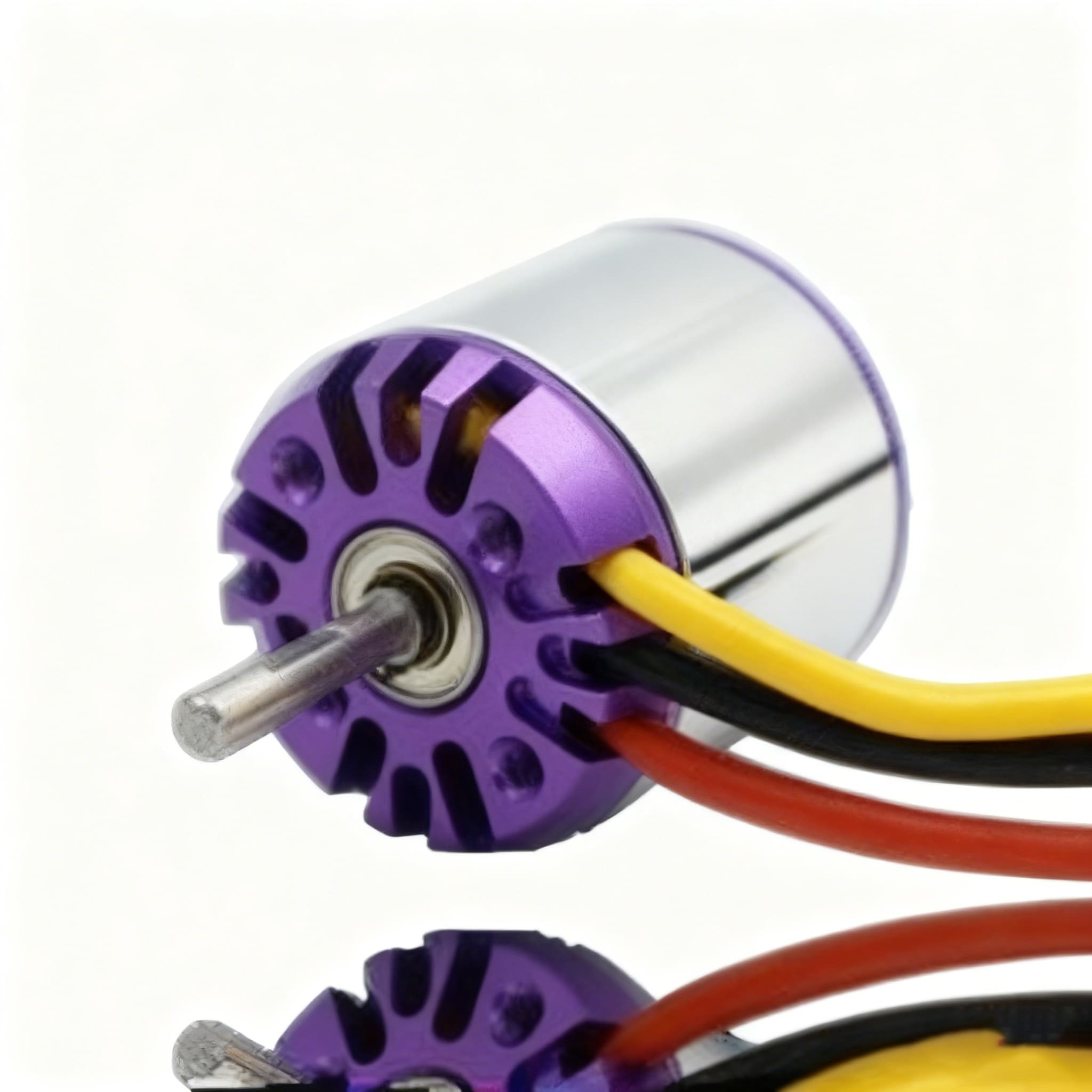
With the rapid development of intelligent manufacturing and Industry 4.0, brushless DC motors (Bldc Motors) have become one of the most important power units in modern electromechanical systems. Compared with traditional brushed motors, bldc motors eliminate mechanical brushes and use electronic commutation, which significantly improves reliability and performance.
According to industrial engineering studies, BLDC motors are widely used in motion control systems, servo drives, and high-precision positioning equipment, especially in CNC machining and robotic automation systems.
What is a Brushless DC Motor?
A brushless DC motor is a synchronous motor powered by DC electricity through an electronic controller. Instead of mechanical brushes, it uses an external driver to control current switching in stator windings.
This structure allows:
Higher efficiency and energy saving
Longer lifespan with reduced maintenance
Lower noise and vibration
Precise speed and torque control
In industrial automation, BLDC motors are often combined with feedback systems such as encoders to form closed-loop servo systems.
Reference: Brushless DC Motor Overview (Wikipedia)
Working Principle of BLDC Motor
The motor consists of a stator with three-phase windings and a rotor with permanent magnets. The controller sends PWM signals to switch current direction, creating a rotating magnetic field that drives the rotor.
This electronic commutation replaces traditional brushes, eliminating friction and sparking issues.
Industrial Applications of Brushless Motors
1. CNC Machinery
In CNC machining systems, brushless motors are used in spindle drives and feed systems to achieve high-speed and high-precision cutting performance.
2. Robotics Systems
Robotic arms rely on BLDC motors for precise joint movement, fast response, and stable torque output.
3. Automation Equipment
Conveyor systems, packaging machines, and assembly lines widely use brushless motors for continuous and stable operation.
4. Medical Devices
Applications include surgical robots, infusion pumps, and diagnostic equipment requiring silent and precise motion control.
5. Aerospace & UAV
Brushless motors are used in drones and aerospace actuators due to their lightweight design and high power density.
More industrial applications reference: Nidec Brushless Motor Technology
Technical Specifications (Typical BLDC Motor)
| Parameter | Specification Range |
|---|---|
| Rated Voltage | 24V / 48V / 310V / 380V |
| Rated Power | 50W – 5kW |
| Speed Range | 500 – 6000 RPM |
| Torque | 0.1 – 20 N·m |
| Efficiency | 85% – 95% |
| Control Mode | Closed-loop / Open-loop / Servo Control |
| Cooling Method | Air cooling / Natural cooling |
Brushless Motor vs Brushed Motor
Compared with brushed motors, BLDC motors provide significant advantages in durability and performance. The absence of brushes eliminates mechanical wear, which greatly reduces maintenance cost.
Higher efficiency: Less energy loss due to friction
Longer lifespan: No brush wear
Better control: Suitable for servo systems
Lower noise: Ideal for precision equipment
Industry analysis shows BLDC motors are now replacing brushed motors in most industrial automation applications due to their superior control performance and energy efficiency.
Why Choose Our Brushless Motor Solutions?
At Xiangnai Electromechanical, we provide high-performance brushless motor solutions designed for industrial automation, CNC systems, and robotics integration.
Custom motor torque and speed design
OEM & ODM support
High precision manufacturing standards
Stable performance under heavy industrial load
Related Products
Conclusion
Brushless DC motors are becoming the core driving force behind modern intelligent manufacturing. From CNC machines to robotics systems, their efficiency, precision, and durability make them the preferred choice for industrial engineers worldwide.
As automation continues to evolve, the demand for high-performance BLDC motors will continue to grow, especially in smart factories and precision engineering applications.