


 English

Microneedling has become one of the most popular at-home skincare treatments for improving skin texture, reducing acne scars, and stimulating collagen production. However, knowing how to clean a micro needle roller properly is just as important as knowing how to use it. Improper cleaning can lead to skin infections, irritation, and reduced effectiveness of your device.
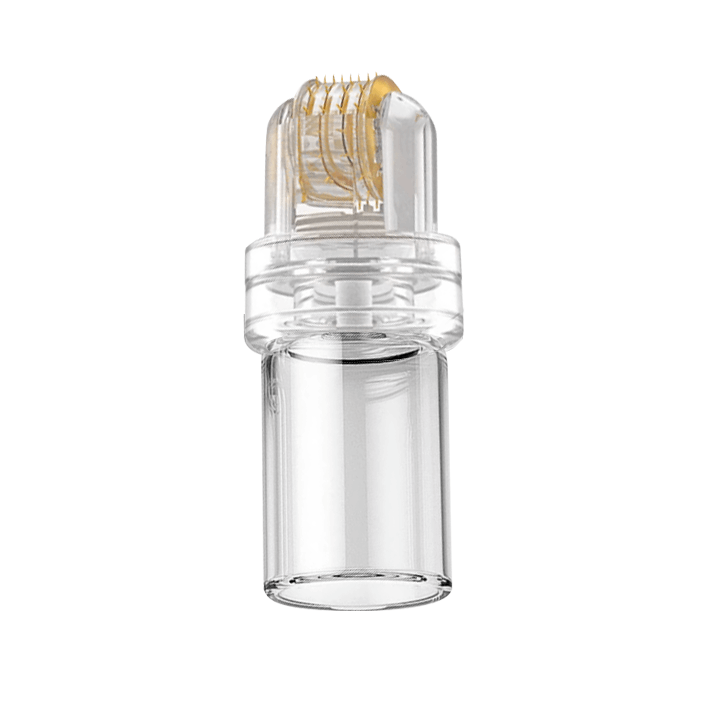
In this comprehensive guide, we’ll walk you through step-by-step instructions, safety tips, storage recommendations, and maintenance best practices. We’ll also clarify terminology differences between cosmetic needle rollers and industrial components such as bearing Roller Needle systems to avoid confusion.
Why Cleaning a Micro Needle Roller Is Essential
A micro needle roller creates tiny microchannels in your skin. If the device is not properly disinfected:
Bacteria can enter the skin
Infections may develop
Skin inflammation can worsen
Needles may dull faster
Cross-contamination can occur
Proper sanitation ensures both skin safety and long-term usability of your roller.
Step-by-Step: How to Clean a Micro Needle Roller
Step 1: Rinse Immediately After Use
After each session:
Rinse the roller under warm running water.
Remove visible blood, serum, or skin debris.
Gently shake off excess water.
Avoid touching the needles directly, especially if your device has a needle with plastic handle, as pressing too hard can bend the delicate tips.
Step 2: Disinfect with Alcohol
This is the most important step when learning how to clean face needle roller tools safely.
Fill a small glass container with 70%–90% isopropyl alcohol.
Submerge only the needle head (not the full handle needle structure).
Soak for 5–10 minutes.
Remove and allow to air dry on a clean surface.
Never use boiling water. High heat can damage the fine needles and weaken the shaft needle structure that supports the rolling mechanism.
Step 3: Deep Cleaning (Weekly or Biweekly)
For deeper sanitation:
Use a specialized disinfectant solution made for microneedling devices.
Let soak for 10 minutes.
Rinse with sterile water.
Allow to air dry completely before storage.
This prevents buildup inside the roller head assembly.
Proper Drying and Storage
After cleaning:
Place the roller on a clean paper towel.
Allow it to air dry fully.
Store it in its original protective case.
Keep in a cool, dry environment.
Avoid storing in humid bathrooms. Moisture encourages bacterial growth and corrosion.
How Often Should You Clean a Micro Needle Roller?
You should clean your roller:
Before every use
Immediately after every use
Deep clean once per week if used frequently
Never reuse without disinfecting, even if you are the only user.
When to Replace Your Micro Needle Roller
Even with proper cleaning, rollers do not last forever. Replace your device:
After 10–15 uses
If needles become dull
If bent or damaged
If rust appears
If the rolling mechanism becomes uneven
The micro needle system depends on precise alignment similar to mechanical rolling systems such as miniature needle roller bearings in engineering applications — once misaligned, performance drops significantly.
Cleaning Mistakes to Avoid
❌ Using soap only
❌ Using boiling water
❌ Using bleach
❌ Sharing your device
❌ Storing before completely dry
❌ Touching needles directly
Remember, microneedling penetrates the skin barrier — sanitation is non-negotiable.
Understanding the Structure of a Micro Needle Roller
To clean effectively, it helps to understand the structure:
Needle head – contains the micro needles
Shaft needle system – supports rotation
Handle needle grip – allows controlled movement
Rolling drum – rotates during treatment
Many devices feature a needle with plastic handle for ergonomic grip and lightweight use. While the plastic handle does not require alcohol soaking, it should still be wiped with disinfectant.
Avoid Confusion: Cosmetic vs Industrial Needle Rollers
When researching cleaning instructions, some users encounter terms like:
bearing roller needle
ina needle roller bearing
axial needle roller bearing
miniature needle roller bearings
These terms refer to industrial mechanical components, not skincare tools.
For example:
An ina needle roller bearing (manufactured by INA) is used in machinery to reduce friction.
An axial needle roller bearing handles axial loads in rotating equipment.
A bearing roller needle is a cylindrical metal element in mechanical assemblies.
Miniature needle roller bearings are used in robotics and precision motors.
While both cosmetic rollers and industrial bearings share the word “needle,” they serve entirely different purposes. Cosmetic rollers are medical-grade devices for skin treatment, whereas industrial needle rollers are hardened steel components used in mechanical systems.
Understanding this distinction helps prevent misinformation when searching online.
Additional Hygiene Best Practices
1. Clean Your Skin First
Always wash your face thoroughly before microneedling.
2. Use Gloves
Disposable gloves reduce contamination risk.
3. Disinfect Work Area
Wipe down surfaces before placing your roller.
4. Avoid Active Breakouts
Never roll over infected acne.
5. Use Sterile Serum
Only apply clean, skin-safe products after treatment.
Travel Cleaning Tips
If you need to clean your roller while traveling:
Carry small alcohol prep pads
Use a compact sterile container
Avoid hotel tap water if questionable quality
Always let the device dry before packing
Signs of Poor Cleaning
If your roller was not properly cleaned, you may notice:
Increased redness
Swelling
Breakouts
Skin sensitivity
Small infections
Stop using immediately and consult a professional if symptoms persist.
Can You Sterilize a Micro Needle Roller Like Surgical Equipment?
Professional clinics use autoclave sterilization, but most at-home rollers are not designed for extreme heat. High temperatures can:
Warp the shaft needle alignment
Damage the handle needle structure
Reduce needle sharpness
Stick to alcohol-based disinfection for home care.
Professional vs At-Home Devices
Medical-grade devices used in clinics are often:
Higher needle quality
More durable metal components
Replaceable needle cartridges
Professionally sterilized
At-home devices typically feature a lightweight design with a needle with plastic handle for ease of use and affordability.
How Long Should You Soak in Alcohol?
Recommended soak time:
Minimum: 5 minutes
Ideal: 10 minutes
Maximum: 15 minutes
Longer soaking does not improve sanitation and may damage adhesive bonding inside the roller head.
Can UV Sterilizers Be Used?
UV sterilizers can reduce surface bacteria but should not replace alcohol disinfection. Alcohol remains the most reliable method for home use.
Summary: How to Clean Face Needle Roller Safely
To recap the essential steps:
Rinse under warm water immediately after use
Soak needle head in 70%–90% isopropyl alcohol for 5–10 minutes
Air dry completely
Store in protective case
Replace after 10–15 uses
Knowing how to clean a micro needle roller properly protects your skin, extends device life, and ensures safe microneedling results.
Final Thoughts
Microneedling can deliver impressive skin improvements — but only when hygiene is taken seriously. Proper disinfection prevents infection, preserves needle sharpness, and ensures consistent results.
While terminology like bearing roller needle, axial needle roller bearing, ina needle roller bearing, and miniature needle roller bearings belongs to the engineering world, cosmetic microneedling requires a medical-grade approach to cleanliness and care.
If you maintain your roller carefully, follow proper sanitation protocols, and replace it regularly, you can enjoy safer, more effective treatments at home.