


 English

How to Use a Microneedle Roller Correctly: Needle Depth, Technique, Hygiene and Skin Recovery
A microneedle roller is a mechanical skincare device that uses a rotating needle head to create controlled micro-injuries or superficial microchannels in the skin. However, how to use microneedle roller correctly is not simply a matter of rolling the device repeatedly across the face. Needle geometry, penetration depth, contact pressure, rolling direction, skin condition, device hygiene, and post-treatment care all influence the safety and consistency of the procedure. For professional applications, these factors are also closely related to the design and manufacturing quality of the needle assembly.
Understanding How a Microneedle Roller Works
A conventional microneedle roller consists of a cylindrical roller head containing multiple fine needles. As the roller moves across the skin, the needles contact the surface sequentially rather than simultaneously.
The mechanical action can produce controlled microchannels depending on the needle configuration and penetration depth. This distinguishes microneedling from ordinary exfoliation. The objective is not to damage the skin indiscriminately, but to create a controlled mechanical stimulus within the intended treatment depth.
This is why microneedle roller how to use should always be considered together with needle specifications. Needle length alone does not completely describe performance. Needle diameter, tip geometry, alignment, material, surface finish, needle density, and the mechanical stability of the roller head can all affect the interaction between the device and skin.
For professional skincare equipment, precision manufacturing is particularly important because inconsistent needle height or alignment may result in uneven contact pressure across the treatment area.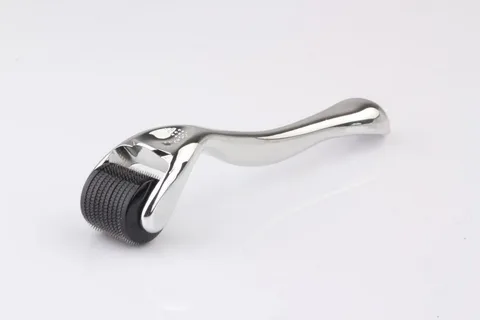
Needle Depth Determines the Application
One of the most important considerations is the intended penetration depth.
Very shallow needles may be designed for superficial cosmetic applications, while longer needles can penetrate deeper into the skin and present substantially greater risks. According to the FDA, microneedling devices that penetrate living skin layers can cause bleeding and other adverse effects and may require professional training.
Therefore, users should not select a needle length simply because a deeper needle appears to provide a stronger treatment. The appropriate specification depends on the intended application, device design, skin condition, and professional guidance.
For manufacturers, this also means that different needle specifications should not be treated as interchangeable components. A Skin Needle intended for a nano needling system may have very different mechanical requirements from a needle used in a conventional microneedling device.
How to Use a Microneedle Roller: Proper Technique
Before treatment, thoroughly clean the skin and wash your hands. The roller should be prepared according to the manufacturer's cleaning or sterilization instructions. A device that contacts broken skin should never be shared between users.
During application, the roller should be handled with controlled and consistent movement. Excessive downward pressure should be avoided. Pressing harder does not automatically improve the treatment and can increase unnecessary tissue trauma.
Rather than repeatedly dragging the roller back and forth over one location, divide the treatment area into manageable sections and maintain a consistent technique. The roller should also be lifted when changing direction instead of being aggressively dragged diagonally across the skin.
The treatment area should remain within the intended region of the device. Particular caution is required around the eyes, lips, active inflammatory lesions, open wounds, and areas showing infection or significant irritation.
The goal is controlled mechanical contact, not maximum redness or bleeding.
Why Needle Geometry Matters
When evaluating a microneedle roller from a manufacturing perspective, the needle tip is one of the most critical components.
A sharp, consistently formed tip can enter the skin with less deformation than a poorly manufactured or damaged tip. Variations in needle diameter, tip angle, straightness, and surface condition can change insertion characteristics and mechanical resistance.
For this reason, professional microneedling components may require strict control over:
Needle material and hardness
Needle diameter and length tolerance
Tip geometry
Needle straightness
Needle spacing and density
Needle-to-cartridge or roller-head fixation
Surface cleanliness
Packaging and contamination control
Stainless steel is commonly used for precision skin-penetrating components because it offers a combination of strength, corrosion resistance, and manufacturability. However, material selection should always correspond to the intended device, regulatory requirements, and manufacturing specification.
For companies developing professional aesthetic equipment, precision micro needles for face can be an important component when designing consistent needle-based skincare systems.
Hygiene Is a Critical Part of Microneedling
Hygiene should not be considered an optional step in the microneedle roller how to use process.
A roller that comes into contact with the skin can potentially transfer microorganisms if it is contaminated. The risk becomes more significant when the device penetrates the skin barrier.
For professional products, disposable needle cartridges or components can simplify contamination control. When reusable components are used, the manufacturer must provide clear cleaning, disinfection, and maintenance requirements that correspond to the product design.
The FDA also emphasizes that microneedling devices may have different risks depending on their design and depth of penetration. Consumers should follow the specific device instructions and understand whether the product is intended for cosmetic or professional use.
Post-Treatment Skin Recovery
After microneedling, temporary redness, sensitivity, tightness, or mild swelling may occur. The intensity and duration depend on the treatment depth and individual skin response.
Immediately after treatment, avoid unnecessarily irritating the treated area. The FDA notes that microneedling can increase skin sensitivity to certain topical products, including retinol, glycolic acid, alcohol-containing products, and other potentially irritating ingredients.
Sun protection is also important because recently treated skin can be more sensitive to environmental exposure.
If severe or persistent swelling, significant pain, infection, prolonged bleeding, or unusual pigmentation develops, professional medical evaluation should be considered.
Microneedle Roller vs. Nano Needling
A conventional microneedle roller and a nano needling system should not automatically be considered the same technology.
A roller generally uses a rotating mechanical head with multiple needles. A nano needling device typically uses much shallower contact and a different needle or tip configuration. Consequently, the manufacturing requirements, treatment mechanism, and expected recovery can differ substantially.
For manufacturers developing professional aesthetic devices, understanding this distinction helps prevent the common mistake of using one needle specification across different device platforms.
If you are researching the component side of the industry, our related article How to Use Nano Pen Needles provides additional information about needle-based skincare equipment and application principles.
What Makes a Professional Microneedle Component Reliable?
For B2B buyers, evaluating a microneedle roller or needle assembly should go beyond appearance and nominal needle length.
A reliable component should have controlled dimensional tolerances, consistent needle geometry, stable fixation, appropriate material selection, and effective quality inspection. For disposable components, packaging integrity and contamination control are equally important.
From a production standpoint, automated or semi-automated needle assembly can improve consistency when compared with processes that rely heavily on manual positioning. Precision inspection is also necessary to identify bent needles, dimensional variation, incomplete fixation, or other defects before components reach the final device assembly stage.
This becomes particularly important for OEM and ODM projects, where the needle assembly may need to be customized according to the structure of a specific pen, cartridge, roller, or aesthetic device.
Final Considerations
Learning how to use microneedle roller properly requires more than understanding the rolling direction. The correct approach begins with selecting a device designed for the intended application and using an appropriate needle specification. Technique, pressure control, hygiene, and aftercare then determine how safely the device can be used.
From the manufacturing perspective, the same principle applies: consistent microneedling performance begins with consistent components. Needle geometry, material, dimensional tolerance, assembly precision, and quality control all contribute to the reliability of the finished skincare device.
For manufacturers and distributors looking for precision components for aesthetic equipment, exploring microneedling facial solutions can provide a broader understanding of specialized skin-needle applications.