


 English

Microneedle Rollers, also known as derma rollers, are handheld skincare tools designed with multiple fine needles arranged on a rotating head. When used correctly, they can create controlled microchannels in the skin and are commonly associated with skin texture, scar appearance, and skincare treatments. However, the correct way to use a microneedle roller depends heavily on the needle length and whether the device is intended for cosmetic home use or professional microneedling. The FDA notes that deeper microneedling devices can reach living skin layers, nerves, and blood vessels and therefore carry greater risks.
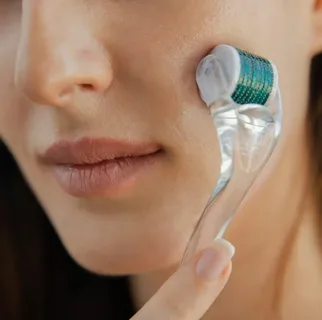
How to Use Microneedle Roller Step by Step
If you are searching for how to use microneedle roller, the first principle is simple: preparation and hygiene are just as important as the rolling technique.
Before treatment, wash your hands and thoroughly cleanse the treatment area. The roller should be clean and disinfected according to the manufacturer's instructions. Never share a microneedle roller with another person. Contaminated or improperly cleaned devices can increase the risk of infection.
Next, inspect the skin carefully. Do not roll over open wounds, active skin infections, inflamed acne, severe irritation, sunburn, or other damaged areas. At-home microneedling can cause irritation, infection, scarring, or pigmentation changes if the device is used too aggressively or on unsuitable skin.
When learning microneedle roller how to use, avoid pressing the roller forcefully into the skin. Use controlled, gentle movements and lift the roller between passes rather than dragging it aggressively across the same area. Excessive pressure does not necessarily produce better results and can increase skin trauma.
The treatment area can be divided into smaller sections so that each section receives consistent treatment. Avoid the immediate eye area and other particularly delicate areas unless the device is specifically designed and labeled for them.
Choose the Right Microneedle Roller
Needle length is one of the most important factors when selecting a microneedle roller. Very short cosmetic rollers are different from professional microneedling devices that intentionally penetrate deeper into the skin.
The FDA distinguishes products that primarily exfoliate or improve the appearance of the skin from microneedling devices that penetrate living skin layers. Professional devices may require appropriate medical training because they can cause bleeding and other complications.
For this reason, users should always follow the instructions supplied with the specific roller instead of assuming that one technique or needle length is suitable for every product.
For manufacturers and suppliers working with professional skincare equipment, the needle structure and cartridge design are also important. Components such as stainless-steel needles, disposable cartridges, protective housings, and consistent needle alignment can directly affect product hygiene and treatment consistency. For example, specialized micro needles for face are available in different configurations for nano pens and other skincare devices.
Microneedle Roller Aftercare
After using a microneedle roller, the skin may temporarily appear red, feel tight, or become more sensitive. Avoid immediately applying irritating skincare ingredients unless they are specifically recommended for use with the treatment. The FDA warns that skin can become more sensitive to products such as retinol, glycolic acid, alcohol-containing products, and other potentially irritating ingredients following microneedling.
Gentle skincare and appropriate sun protection are generally important during the recovery period. If significant swelling, persistent pain, bleeding, infection, or unusual skin changes occur, professional medical advice should be sought.
It is also important to distinguish a traditional microneedle roller from a nano needling device. Nano pens generally use much shallower tips and are designed for superficial cosmetic applications. For a more detailed explanation, see our related article, How to Use Nano Pen Needles.
Microneedle Roller vs. Nano Needling Pen
Although both technologies are sometimes described using the broad term "microneedling," they are not identical.
A traditional microneedle roller uses a rotating head containing multiple needles. Depending on the product, it may be designed for superficial cosmetic use or deeper professional treatment. A nano needling pen, by contrast, generally uses extremely fine tips and operates primarily at the surface of the skin.
This difference affects the treatment method, intended application, recovery requirements, and safety considerations. Choosing the appropriate device should therefore begin with understanding the intended depth and purpose rather than simply selecting the product with the longest or largest number of needles.
For professional skincare equipment manufacturers, consistent needle quality is especially important. Medical-grade stainless steel, accurate needle positioning, individual packaging, and compatibility with the intended device can help support reliable manufacturing standards.
Common Mistakes When Using a Microneedle Roller
One common mistake is applying too much pressure. Another is repeatedly rolling over the same area in an attempt to achieve faster results. Overuse can irritate the skin and potentially make existing skin concerns more noticeable.
Another mistake is using a roller on damaged or infected skin. Users should also avoid sharing rollers and should follow the manufacturer's cleaning and replacement instructions.
Finally, not every serum or cosmetic product is automatically suitable for application immediately after microneedling. The FDA specifically notes that microneedling devices have not been authorized for delivering cosmetics, topical drugs, or other products into the skin, so users should not assume that combining a device with a particular serum has been evaluated for safety or effectiveness.
Conclusion
Understanding how to use microneedle roller is more than learning how to move a roller across the skin. Proper device selection, hygiene, controlled pressure, suitable treatment areas, and appropriate aftercare all contribute to safer use.
For professional beauty equipment manufacturers, the quality of the needle component is equally important. Stable needle construction, suitable materials, hygienic packaging, and compatibility with skincare devices can help meet the practical requirements of modern aesthetic treatments.
For more information about related microneedling components and applications, you can also explore our microneedling facial solution and learn more about how specialized Skin Needles are designed for professional skincare equipment.