


 English

As industrial automation continues to evolve, Brushless Motors have become one of the most important driving components in modern electromechanical systems. Their high efficiency, long service life, and stable performance make them ideal for a wide range of industries that require precision and reliability.
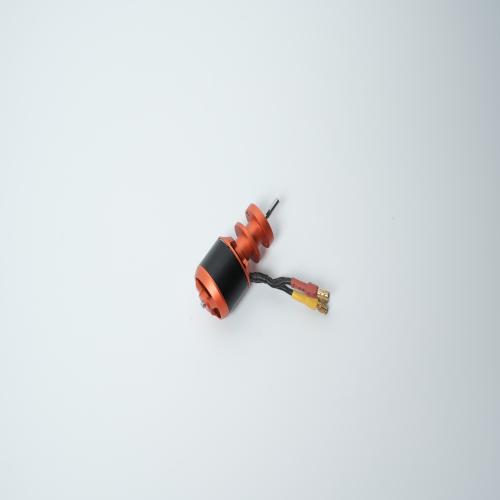
Why Brushless Motors Are Replacing Traditional Motors
Compared with brushed motors, brushless motors eliminate mechanical contact between brushes and commutators. This results in lower maintenance requirements, reduced energy loss, and improved operational stability in continuous working environments.
In industrial applications where downtime is costly, this advantage is particularly important.
Key Industries Using Brushless Motors
Industrial Automation: Used in conveyors, robotic arms, and production line systems requiring precise motion control.
Medical Equipment: Applied in diagnostic devices, pumps, and precision surgical tools.
Robotics: Enables accurate positioning and smooth motion in robotic joints and actuators.
Packaging Machinery: Provides stable speed control for filling, labeling, and sealing systems.
Smart Devices: Used in compact systems requiring high efficiency and low noise.
How Brushless Motors Improve System Performance
Brushless motors offer higher energy efficiency and better torque control, which directly improves the performance of industrial systems. Their electronic commutation system allows precise speed adjustment, making them suitable for both high-speed and low-speed operations.
Industry Trend: Smart Manufacturing Integration
With the development of smart factories, brushless motors are increasingly integrated into automated production systems. Their compatibility with sensors, controllers, and feedback systems makes them a key component in modern electromechanical design.
As automation expands globally, demand for reliable and compact motor solutions continues to grow.